
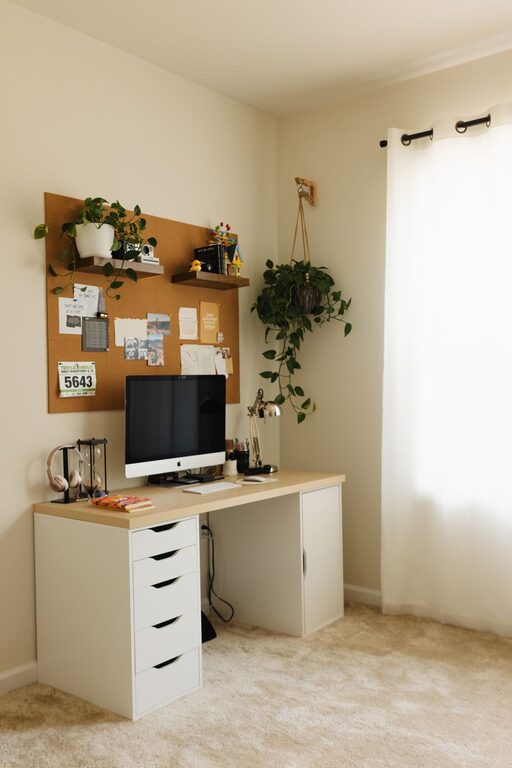
Creating a home office that feels both cozy and productive can significantly improve your work-from-home experience. Whether you’re a remote worker, freelancer, or someone who just needs a quiet spot to focus, having a dedicated space designed for comfort and efficiency is essential. Here are some practical tips to help you build a home office that inspires productivity while making you want to spend time there.
Choose the Right Location
Your home office location sets the foundation for your workspace. Ideally, select a spot that’s quiet and away from daily household traffic. If you have an extra room, this might be your best option. If space is limited, consider transforming a corner in your bedroom or living room into a functional office nook.
Look for a spot with natural light, if possible. Natural light boosts mood and energy levels, making your workday more pleasant. Position your desk near a window so you can benefit from daylight without glare on your computer screen.
Invest in Comfortable, Supportive Furniture
Comfort plays a crucial role in productivity. A comfortable chair with good lumbar support helps prevent back and neck pain, allowing you to focus longer without discomfort. Ergonomic chairs are a worthwhile investment.
Your desk should be the right height to keep your wrists and arms comfortable while typing. If space allows, consider a larger desk that fits your computer, notebook, and other essential tools without feeling cluttered.
Organize with Storage Solutions
Clutter can reduce focus and make a workspace feel stressful. Use shelves, filing cabinets, and desk organizers to keep your supplies neat and within reach. Vertical storage makes good use of limited space and keeps surfaces clear.
Label important files or boxes so you can quickly find what you need. Consider cable organizers to reduce the mess of cords and chargers, which often add visual clutter.
Personalize Your Space
Adding personal touches can make your home office feel more welcoming and motivate you throughout the day. Think of artwork, photos, plants, or a cozy rug to soften the environment.
Plants in particular offer health benefits by improving air quality and adding a touch of nature, which can reduce stress. Choose low-maintenance varieties like snake plants or succulents if you don’t have a green thumb.
Optimize Lighting for Comfort and Focus
Good lighting is key for a productive workspace. Besides natural light, use layered lighting to brighten your desk area. A desk lamp with adjustable brightness and color temperature allows you to tailor lighting for reading or screen work.
Avoid harsh overhead lights that create glare or shadows. Warm, soft lighting tends to feel more inviting while reducing eye strain during long work sessions.
Control Noise Levels
External noise or distractions can disrupt your concentration. If possible, choose a room that is quieter or use soundproofing options like rugs, curtains, or acoustic panels to absorb noise.
Noise-canceling headphones or background music can also help create a focused atmosphere. Experiment with what works best to minimize disruptions.
Establish a Functional Layout
Arrange your furniture and equipment so that everything you need is within easy reach. Keep frequently used items like your phone, planner, or coffee mug close to your work area. This reduces unnecessary movement and helps maintain concentration.
Clear desk space for writing or other tasks can also be helpful. Consider a separate area or small table for brainstorming or spreading out documents.
Set Boundaries and Create Routine
Creating a workspace that signals “work time” helps your brain switch into focus mode. Set clear boundaries with family members or roommates to minimize interruptions during work hours.
Try to keep your home office just for work, if possible, and not for leisure activities. Establishing a routine, including regular breaks and dedicated start and end times, contributes to productivity and overall well-being.
Maintain Cleanliness Regularly
A tidy workspace can boost your mood and efficiency. Spend a few minutes at the end of each day organizing your desk and putting away materials. Regular cleaning prevents dust buildup and keeps electronics in good condition.
Use Technology to Your Advantage
Make sure your home office is equipped with reliable Wi-Fi, up-to-date software, and any necessary accessories like printers, external monitors, or keyboards. Investing in quality tech tools reduces frustrations and saves time.
Apps for task management or digital calendars help keep you organized and on schedule. Customize notifications to maintain focus without missing important updates.
—
Designing a cozy and productive home office takes some planning, but the effort pays dividends in comfort and work quality. By choosing the right location, investing in ergonomic furniture, organizing thoughtfully, and personalizing your space, you’ll create an inspiring environment where you can thrive. Remember, your workspace should support your unique work style and needs, so feel free to experiment until you find the perfect balance. Happy decorating and productive working!