
Creating a productive home office environment is essential for anyone working remotely or managing tasks from home. A well-designed space can help you stay focused, reduce distractions, and enhance your overall efficiency. In this post, we’ll explore actionable tips to transform your home office into a productive workspace.
Choosing the Right Location
Find a Dedicated Space
One of the first steps in creating a productive home office is selecting a dedicated space. Ideally, this should be a quiet area with minimal foot traffic, so you can concentrate without frequent interruptions. Whether it’s a spare room, a corner in your living room, or a nook in your bedroom, having a defined workspace helps your brain switch into work mode.
Consider Natural Light
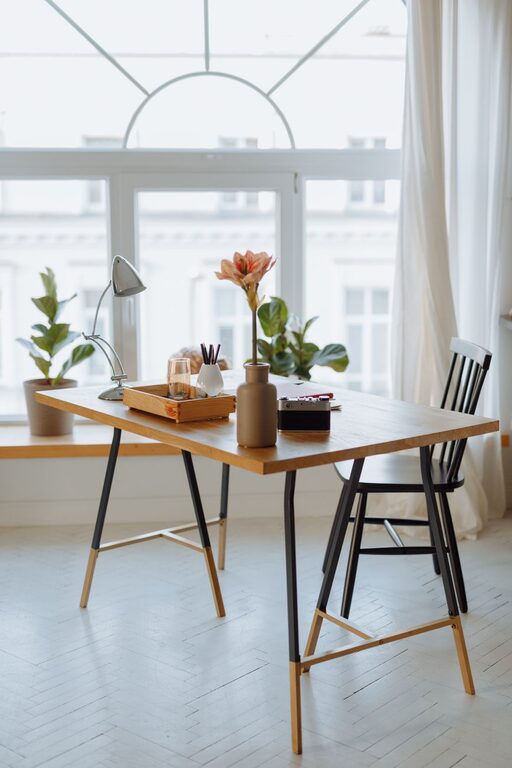
Try to position your desk near a window to take advantage of natural light. Exposure to daylight can improve mood and focus, helping you feel more energized throughout the day. If natural light is limited, invest in quality artificial lighting that mimics daylight to reduce eye strain.
Setting Up Your Workspace
Invest in an Ergonomic Chair and Desk
Comfort is key when working long hours. Choose an ergonomic chair that supports your back and encourages good posture. Pair it with a desk at the right height to avoid hunching or straining your neck and shoulders.
Organize for Efficiency
Keep your workspace tidy and organized. Use organizers, shelves, or drawers to store supplies and paperwork neatly. Decluttering your desk prevents distractions and allows you to focus better on your tasks.
Use Multiple Monitors (if possible)
Depending on your work, having more than one monitor can improve productivity by allowing you to multitask more efficiently. For example, you can have your email or reference materials open on one screen while working on documents on another.
Managing Distractions
Set Boundaries with Others
If you live with family or roommates, communicate your work hours and ask for their support in minimizing interruptions. Using a closed door or a visible sign can reinforce these boundaries during working hours.
Limit Phone and Social Media Use
It’s easy to get distracted by notifications or social media when working at home. Consider using apps or browser extensions that block distracting websites during your work hours or silence non-essential notifications.
Establishing a Productive Routine
Create a Daily Schedule
Having a set work schedule helps build consistency and discipline. Start your day at the same time, take regular breaks, and set clear goals for what you want to accomplish. Time-blocking techniques can help you allocate specific periods for different tasks.
Incorporate Breaks and Movement
Breaks are essential to maintaining focus. Follow the Pomodoro Technique by working for 25 minutes and then taking a 5-minute break. Use breaks to stretch, walk around, or do simple exercises to reduce physical tension and refresh your mind.
Enhancing Your Environment
Personalize Your Space
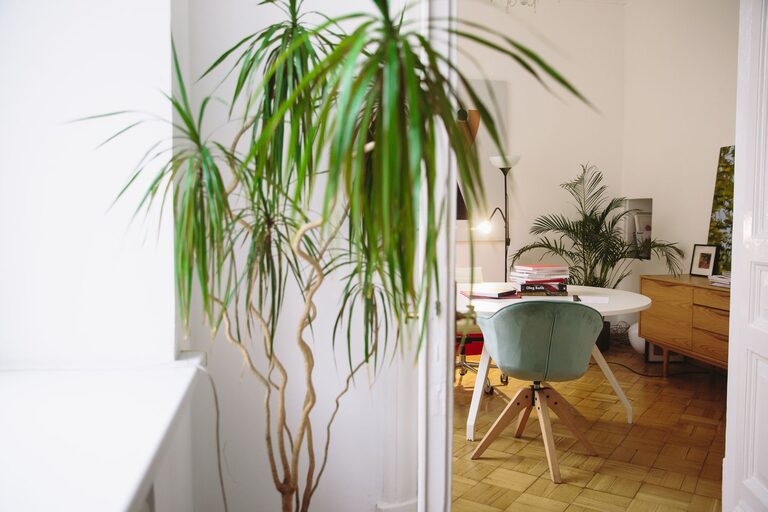
Adding personal touches like plants, artwork, or inspirational quotes can make your office feel more inviting and motivating. Plants, in particular, can improve air quality and create a calming atmosphere.
Control Noise Levels
If background noise is an issue, use noise-canceling headphones or play soft music or white noise to block distractions. Alternatively, if complete silence distracts you, ambient sounds or instrumental music may help maintain focus.
Maintain Good Air Quality and Temperature
Ensure your workspace is well-ventilated and kept at a comfortable temperature. Fresh air and a cozy environment can reduce fatigue and make it easier to concentrate throughout the day.
Leveraging Technology
Use Productivity Tools
Use apps and software to organize your tasks and collaborate efficiently. Tools like task managers, calendar apps, and communication platforms help keep you on track and maintain clear communication with colleagues.
Keep Your Tech Updated
Regularly update your computer, software, and security settings to avoid technical issues that can interrupt your workflow. Having reliable technology is crucial for smooth remote work.
Conclusion
Designing a productive home office environment takes some planning and effort, but the benefits are well worth it. By choosing the right space, organizing your tools, managing distractions, and establishing a routine, you create a setting that supports focus and promotes work-life balance. Remember that personal comfort and adaptability play key roles in long-term productivity, so tailor your home office to fit your unique needs. With these tips, you’re well on your way to a more effective and enjoyable work-from-home experience.